



Knowledge Base, Stamps
Hagner Sheets & Binders: Guide for Australian Collectors
Oct
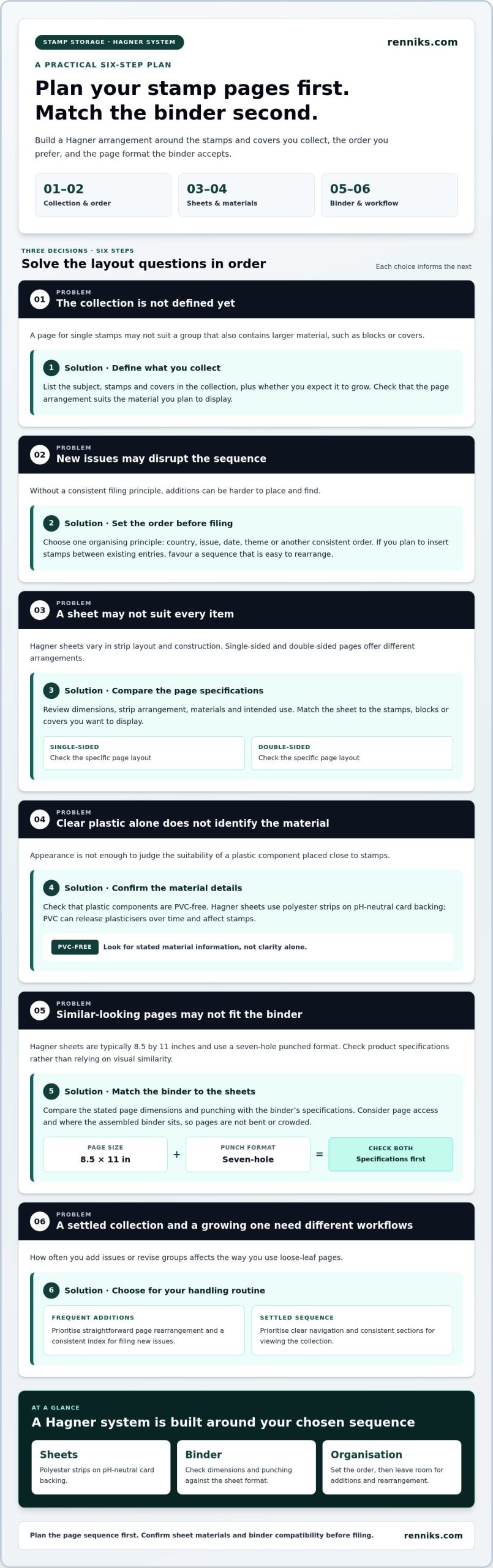
Choose Hagner sheets around how you want to group and display your stamps, then select a binder that fits those pages. Planning the order first makes it easier to add issues later without ending up with a layout that is awkward to expand or rearrange.
Good storage keeps perforations clear of damage and helps prevent marks on stamps with original gum. Hagner sheets use polyester strips on a card backing to hold stamps in place while allowing careful repositioning. This guide explains how the sheets and binders work, compares strip-based pages with stock albums and traditional albums, and sets out what to consider when planning your collection’s layout. Renniks supplies Hagner sheets and binders alongside other philatelic storage products. By the end, you’ll have a practical basis for choosing a format and organising your stamps for careful handling.
Key Takeaways
- Choose a page arrangement around the stamps, covers and groups in your collection before selecting a binder.
- Hagner sheets hold stamps in polyester strips on a card backing, offering a different layout from pocket pages and traditional albums.
- Compare formats by how you prefer to organise, view and rearrange your stamps, rather than assuming one system suits every collection.
- Match sheet and binder specifications, and follow the product instructions when placing or moving stamps.
- Plan a simple index as you build your system so additions can be filed consistently and found easily.
What Are Hagner Sheets, and How Does the Binder System Work?
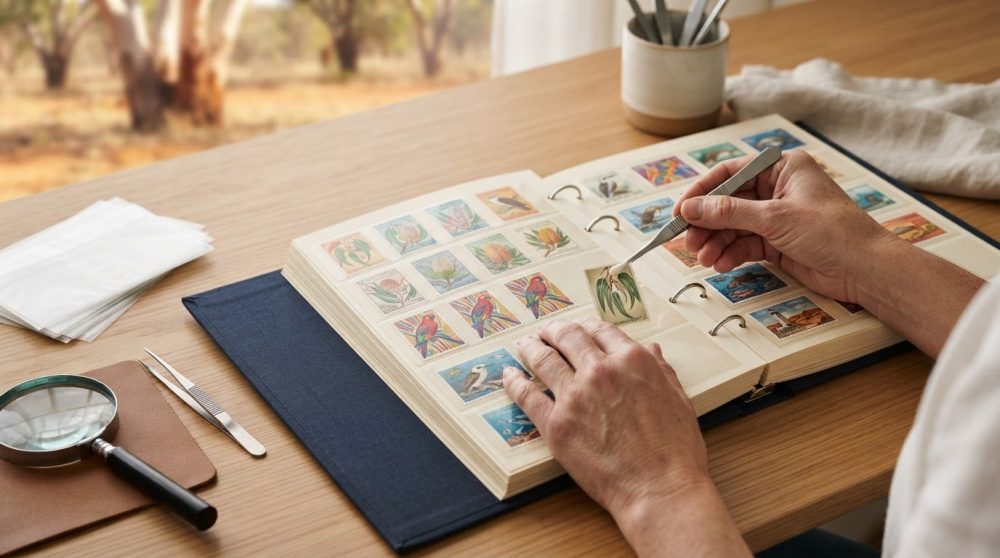
Hagner sheets are loose-leaf pages for arranging and displaying stamps. Instead of following a sequence printed on the page, you choose the order, group the material and file the pages in a compatible binder. This makes the format useful when you want to organise a collection around your own subjects or add pages as it grows.
What Does a Hagner Sheet Do in a Stamp Collection?
A sheet gives you a page for presenting stamps in a chosen arrangement. Depending on the issue and the purpose of your collection, you might group Australian commemoratives by year, arrange stamps by country, or keep a thematic group together. A consistent order, with clear divisions between sections, makes the collection easier to browse and individual stamps easier to find.
Hagner sheets use horizontal polyester strips on a card backing. The strips hold stamps in position, and can be lifted to place or remove a stamp with care. Sheets come in single-sided and double-sided formats, with strip arrangements that vary to accommodate different material. Check the particular page layout before choosing sheets for larger stamps, blocks or covers.
These pages belong to the broader category of stamp albums and stock books, but the loose-leaf format leaves the sequence to you. You can use that flexibility to keep issues in a personal order or make room for additions without reorganising every section.
What Is the Binder’s Role in the System?
The binder keeps selected sheets together so you can view and file them as a group. You can change the order by rearranging pages, provided the binder and sheets are compatible. That differs from a pre-printed album, where spaces and captions generally determine the sequence.
Hagner sheets are typically 8.5 by 11 inches and use a seven-hole punched format. Compatible binders are designed to hold those pages, but dimensions and punching are worth checking against the specific products you plan to use. Confirming the format before you start avoids buying pages that do not suit your binder.
Material and construction matter as well. Hagner sheets use polyester strips and a pH-neutral card backing. Polyester is PVC-free, unlike flexible PVC plastic, which can release plasticisers over time and affect stamps. Renniks supplies Hagner sheets and binders, so you can plan the pages and binder as a compatible system rather than treating them as unrelated purchases.
How to Choose Hagner Sheets and a Binder for Your Collection
Choose a system around what the collection contains and how you want to organise it. A page sequence for Australian issues arranged by year may suit one collector, while another may group stamps by topic or country. Start with the material you have, then decide how you want to view, expand and manage it.
Which Sheet Details Should Collectors Compare?
Use this selection process before choosing pages and a binder:
- Step 1: Define the collection. Note its subject, the stamps or covers it contains, and whether it is likely to grow. A collection of single stamps may need a different page arrangement from one that also includes larger items such as blocks or covers.
- Step 2: Set the order. Decide whether to arrange material by country, issue, date, theme or another consistent principle. If you expect to add stamps between existing entries, consider how easily you can change the sequence.
- Step 3: Compare sheet specifications. Review each sheet’s dimensions, layout, materials and intended use. Strip arrangements and single-sided or double-sided construction can differ, so match the page to the stamps you plan to display.
- Step 4: Check material information. Don’t judge archival suitability by appearance or clarity alone. Confirm that the page uses PVC-free materials, particularly for any plastic components that will sit close to stamps.
How Can You Match a Binder to the Sheets?
A binder should suit both the sheets and the way you handle the collection. Compare the page dimensions and punching with the binder’s specifications; visual similarity alone does not establish compatibility. Also consider where the assembled binder will be stored and how often you expect to remove or rearrange pages.
- Step 5: Check the binder specifications. Match the stated sheet format and binding system. Consider how easy it will be to access the pages and store the binder without bending or crowding them.
- Step 6: Allow for your workflow. If you often add new issues or revise groups, prioritise a layout that supports orderly rearrangement. If you mainly view a settled sequence, focus on clear navigation and consistent sectioning.
Renniks supplies Hagner sheets and binders for collectors planning a sheet-based arrangement. Compare the details for the Hagner sheets and binders with your intended page layout before assembling your system.
Hagner Sheets Compared with Stock Albums and Traditional Albums
Stamp storage formats differ in how they organise material and how much control you have over the sequence. A loose-leaf system lets you rearrange pages, while a stock album or pre-printed album offers a different balance of flexibility and structure. The best fit depends on what you collect and how you prefer to view it.
| Format | Organisation | Rearrangement | Viewing and workflow |
|---|---|---|---|
| Hagner sheets in a binder | The collector sets the sequence across separate pages. | Pages can be reordered within a compatible binder. | Useful when you want a planned arrangement that can be revised as the collection changes. |
| Stock album | Stamps are placed in rows or pockets on pages, with the collector generally deciding their order. | Items can be moved between spaces, though the page layout itself is fixed. | Can suit working collections where stamps are grouped and reviewed without a pre-printed sequence. |
| Traditional album | Pre-printed pages commonly provide spaces or captions for a defined sequence. | Changing the sequence may be less straightforward, depending on the album. | Can suit collectors who want to follow an established catalogue or issue order. |
When Might Hagner Sheets Suit a Collection?
Hagner sheets may suit collectors who want to arrange stamps on separate pages and determine the order themselves. For example, you could group issues by year, country or subject, then move a page if you later revise the arrangement. The page layout and materials vary by product, so check the specifications for the sheets you choose, especially if the collection includes larger items.
This approach can work well for a collection that is still developing or includes material that does not follow a pre-printed album’s sequence. If your preferred order is settled and rarely changes, a more fixed format may also suit your needs.
How Do Stock Albums and Traditional Albums Differ?
A stock album provides a consistent page layout for placing stamps, but generally leaves the sequence to you. A traditional album usually provides more structure through printed spaces or captions. That distinction affects how you add new issues and find a particular stamp, but it does not make either format universally better.
For a closer comparison of those two approaches, consult a dedicated stock album versus traditional album guide. The practical test is whether you value flexible page placement, a defined sequence, or a balance between the two.
How to Arrange and Handle Stamps on Hagner Sheets
A measured workflow reduces unnecessary handling, particularly for stamps with full original gum or delicate perforations. Plan the page first, prepare a clean work area, place each stamp according to the sheet’s instructions, then review the arrangement before filing it.
What Is a Careful Workflow for Arranging Stamps?
- Plan the page. Decide the order and spacing before placing stamps. Leave room for captions or future additions if they form part of your system, and check that each stamp suits the intended strip or position.
- Prepare a clean workspace. Use a dry, uncluttered surface with enough room to set down the sheet and stamps. Keep food, drinks and loose paper away from the work area.
- Handle stamps by the edges. Clean, dry hands or suitable stamp tweezers can help avoid contact with the face and gum. Use tweezers with smooth tips and take particular care around perforations.
- Place stamps according to the instructions. Follow the directions for the specific Hagner sheet and any separate mounting accessory. Don’t add hinges, mounts or other materials unless they’re suitable for the stamp and intended for use with that system.
- Review before filing. Check that stamps sit as intended, their perforations aren’t caught, and the page is in the right sequence. Make adjustments carefully rather than moving a stamp repeatedly.
Hagner sheets use polyester strips on a card backing, but don’t assume every clear plastic storage product has the same composition. PVC can release plasticisers over time, which may leave residue or affect stamp surfaces and gum. Check material details when selecting storage, especially for valuable mint never hinged (MNH) stamps, which retain their original gum and have never been mounted.
How Should Collectors Review and Store Arranged Sheets?
Once a page is complete, follow the sheet and binder instructions for handling and storage. Keep arranged pages out of direct sunlight, which can fade stamp inks and gum, and away from excessive heat and damp conditions. In Australian conditions, heat and humidity can also affect storage materials, so avoid leaving albums in hot or poorly ventilated spaces.
A simple index makes a growing binder easier to navigate. Record the page number or position alongside its country, issue, date or theme, then update the index when you add or rearrange sheets. For broader guidance on stamp storage and care, consult the Philatelic Preservation guide.
For pages suited to this workflow, browse Hagner sheets and binders and compare the page layouts with your planned arrangement.
Building a Hagner Sheet-and-Binder System with Renniks
A useful sheet-and-binder system starts with a plan for the stamps, not a guess about how many pages a binder might hold. Define the collection’s subject and preferred order first, then match the sheets and binder by their specifications. Renniks supplies Hagner sheets and binders as part of its stamp-collecting range, alongside other philatelic storage supplies.
What Is a Practical Order for Setting Up the System?
- Define the collection. Decide what belongs in the collection and how you want to group it, such as by country, issue, year or theme. Choose an order that will still make sense as you add stamps.
- Check product specifications. Compare each sheet’s dimensions, layout and material details with the binder’s format and compatibility information. Don’t assume sheets will fit a binder simply because they appear similar.
- Arrange the pages. Put the sheets in your chosen sequence before placing stamps. Follow the instructions for the specific sheet and any mounting accessory, and handle stamps by their edges or with suitable tweezers.
- Create an index. Record the page number or position and its contents. A short index makes it easier to find an issue later and file new material consistently.
Keep the index with the collection, either at the front of the binder or in your collection notes. If a page moves, update the record at the same time. That small habit prevents a carefully arranged collection from becoming difficult to navigate after several rounds of additions.
How Can the Arrangement Stay Useful as a Collection Grows?
Use the same organising principle across related pages. For example, if a section is arranged by year, file later additions in that sequence rather than creating an unrelated order on new pages. If you change the sequence, note the revised page positions so the index stays accurate.
Review the product instructions whenever you change sheets, binders or mounting methods. Dimensions and construction can vary, so rely on the specifications for the items in your system rather than assumptions based on another page or binder. A clear appearance alone does not establish a material’s composition.
Once you’ve settled on the collection’s order, compare Renniks’ HAGNER sheets and binders with your intended layout and use the product details to assemble a compatible system.
Build a System That Can Grow with Your Collection
A useful Hagner arrangement begins with the collection’s purpose: decide how to group your stamps, then choose sheets and a binder by checking their specifications and compatibility. The format should suit how you prefer to view and rearrange your material, rather than follow a fixed rule. Handle stamps carefully, follow the instructions for each sheet and mounting accessory, and keep a simple index so additions remain easy to locate.
Renniks supplies Hagner sheets and binders for collectors planning a sheet-based system. Compare the sheet layouts and binder details with your preferred organisation before putting the collection together.
Browse HAGNER sheets and binders at Renniks, then choose a layout that gives your stamps a clear place and leaves room for the collection to develop.
Shop the supplies in this guide
Put the advice above into practice with these collecting supplies from Renniks:
- Hagner Single Sided Black Stocksheets – 2 Strips (Pack 10)
- Hagner Single Sided Black Stocksheets – 3 Strips (Pack 10)
- Hagner Single Sided Black Stocksheets – 6 Strips (Pack 10)
- Hagner Single Sided Black Stocksheets – 7 Strips (Pack 10)
- Hagner Single Sided Black Stocksheets – 5 Strips (Pack 10)
Frequently Asked Questions
What are Hagner sheets?
Hagner sheets are pages stamp collectors use to arrange and present stamps. Their polyester strips hold stamps against a card backing, and the loose-leaf pages can be organised in a binder by subject or sequence, such as country, issue or year. Layouts, dimensions and binder compatibility vary, so compare the specifications for both sheets and binder before choosing a combination.
Are Hagner sheets suitable for long-term stamp storage?
Hagner sheets use polyester strips and a pH-neutral card backing. As with any storage system, keep stamps away from direct sunlight, excessive heat and damp conditions, and follow the product instructions. PVC-based plastics can release plasticisers over time, so don’t assume a clear page has suitable preservation properties based on appearance alone. Check the material information when selecting storage, particularly for stamps with original gum.
How do you use Hagner sheets?
Plan how you want to group the stamps, then match the sheets to a compatible binder. Work on a clean surface and handle stamps with clean hands or suitable stamp tweezers, avoiding unnecessary contact with the stamp face and gum. Follow the instructions for the sheet and any mounting accessory. After arranging the stamps, check their placement and record the page contents in a simple index.
What is the difference between Hagner sheets and a stock album?
Hagner sheets are separate pages used in a binder-based system, while a stock album is a distinct format for arranging stamps on its pages. The practical differences are how you organise the material, change its sequence and view the collection. Consider whether you want to rearrange separate pages or work within a stock album’s layout. Your collection and preferred workflow should guide the choice.
Do Hagner sheets need to be PVC-free?
Hagner sheets use polyester strips, which are PVC-free, on a card backing. For any other storage product containing plastic, check its documented composition rather than relying on appearance. PVC-based plastics can release plasticisers over time, which may leave residue or affect stamps and gum. Choose materials with clearly stated specifications for storage close to your collection.
Do Hagner sheets fit every binder?
No. Compatibility depends on the specifications of the individual sheets and binder, including dimensions and the intended binding format. Compare the product information for both items before selecting a combination. If you already own a binder, check its documented specifications against the pages you plan to use. Similar appearance is not enough to establish a fit.
How should I handle stamps when arranging them on sheets?
Plan the page on a clean, uncluttered surface before handling stamps. Use clean, dry hands or suitable stamp tweezers, and avoid touching the stamp face or gum unnecessarily. Follow the instructions for the sheet and any mounting accessory, and check that perforations aren’t caught when placing or moving a stamp. Take particular care with mint never hinged stamps, whose original gum and unmounted condition are important parts of their philatelic condition.
Disclaimer
This article is provided for general information and collecting guidance only, and is not financial or investment advice. Coins, stamps, banknotes and trading cards can fluctuate in value, and nothing here should be read as a guarantee that any item will increase in value. Any value mentioned reflects a reference-guide estimate at the time of writing, not a current market valuation; always check the latest edition of Renniks Australian Coin & Banknote Values or an independent source for current figures. Renniks does not grade, authenticate or appraise items; grading opinions belong to independent third-party services such as PCGS and NGC. Links to external websites are provided for reference only; Renniks is not responsible for the content of third-party sites.
